What Are Dental Caries?
Dental caries, also known as tooth decay or cavities, are damaged areas in the hard surface of your teeth. These spots can turn into small holes or openings. Often, dental caries develop when bacteria in your mouth make acids that attack the tooth enamel. Over time, this damage can lead to pain, infection, or even tooth loss. According to the World Health Organization (WHO), dental caries are one of the most common health problems worldwide.
Causes of Dental Caries
Many factors can lead to dental caries. However, the main cause is the buildup of plaque, a sticky film of bacteria. When you eat foods high in sugar or starch, bacteria feed on these and produce acids. These acids can weaken and break down the enamel on your teeth. Over time, this process creates cavities. In addition, poor oral hygiene, dry mouth, and frequent snacking can increase your risk.
Common Symptoms
At first, dental caries may not cause any pain or discomfort. But as the cavity grows, you may notice some signs. For example, you might feel pain when eating sweet, hot, or cold foods. Sometimes, you may see visible holes or pits in your teeth. If the decay gets worse, you could develop a toothache or swelling.
How Dental Caries Are Diagnosed
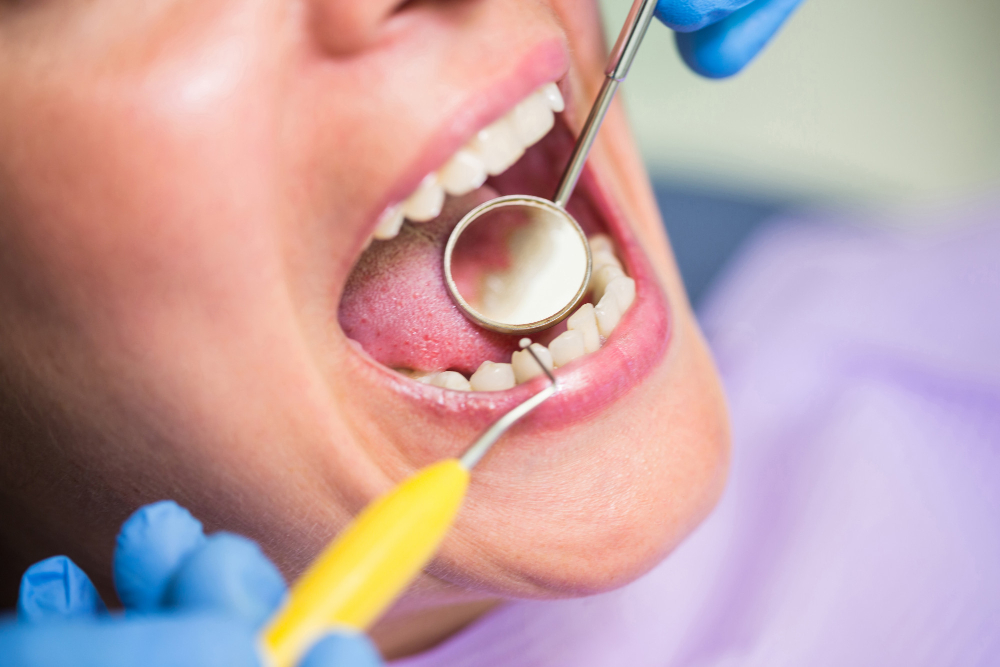
Dentists use several methods to check for dental caries. First, they will ask about your symptoms and look at your teeth. Next, they may use a small mirror and probe to check for soft spots or holes. Often, dental X-rays help find cavities that are not visible to the eye. Early diagnosis is important because it can prevent further damage.
Treatment Options
Treatment for dental caries depends on how severe the decay is. For early-stage caries, your dentist may suggest fluoride treatments to help repair the enamel. If the cavity is larger, a filling may be needed. In some cases, a crown or root canal may be required if the decay has reached the inner part of the tooth. For very severe cases, the tooth may need to be removed.
According to the Centers for Disease Control and Prevention (CDC), regular dental visits can help catch problems early and reduce the need for major treatments.
Prevention Tips and Lifestyle Guidance
Preventing dental caries is possible with good oral care and healthy habits. For instance, brushing your teeth twice a day with fluoride toothpaste helps remove plaque. Flossing daily also cleans areas your toothbrush cannot reach. In addition, eating a balanced diet and limiting sugary snacks can protect your teeth. Regular dental check-ups are important for early detection and care.
By following these tips, you can lower your risk of dental caries and keep your smile healthy.
Conclusion
Dental caries are common but preventable. With good oral hygiene and regular dental visits, you can protect your teeth. If you notice any symptoms, do not wait. Consult a dentist at Grin Glow Dental for personalized advice on preventing and treating dental caries.