What is TMJ Pain?
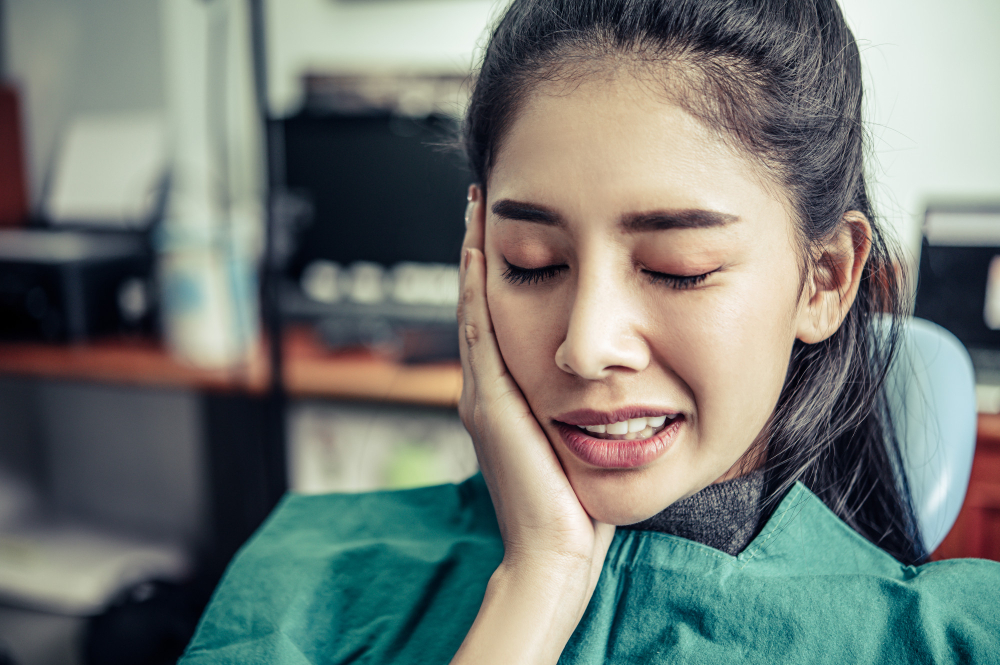
TMJ pain affects the jaw joint, which is called the temporomandibular joint (TMJ). This joint connects your jaw to your skull. When you have TMJ pain, you may feel discomfort in your jaw, face, or around your ear. Many people call this problem TMJ disorder. It can make eating, talking, or even yawning hard. TMJ pain is common and can affect anyone. However, it is treatable with the right care.
Common Symptoms of TMJ Pain
TMJ pain can show up in many ways. For example, you might notice:
Sometimes, the pain may come and go. But in other cases, it can last for a long time. If you notice these TMJ disorder symptoms, you should pay attention to them.
Causes and Risk Factors
There are several reasons why TMJ pain can happen. Some common causes include:
In addition, some people are more at risk. For instance, women between 20 and 40 years old are more likely to have TMJ pain. Family history and certain habits, like chewing gum often, can also raise your risk.
Diagnosis Methods
To find out if you have TMJ pain, a dentist or doctor will ask about your symptoms. Next, they will check your jaw for tenderness, clicking, or movement problems. Sometimes, they may use X-rays or other scans to look at your jaw joint. In some cases, they may suggest an MRI or CT scan. These tests help rule out other causes of jaw pain and confirm TMJ disorder.
Treatment Options for TMJ Pain
There are many ways to treat TMJ pain. Your dentist for TMJ pain may suggest one or more of these options:
Medical and Dental Treatments
Self-Care and Lifestyle Changes
In rare cases, surgery may be needed. However, most people get better with simple treatments. According to the American Dental Association, self-care and dental treatments work well for most TMJ pain cases.
Prevention Tips
While you cannot always prevent TMJ pain, you can lower your risk. Try these tips:
With these habits, you can help protect your jaw and reduce the chance of TMJ disorder symptoms.
When to See a Dentist or Specialist
If your TMJ pain does not go away or gets worse, you should see a dentist for TMJ pain. Also, if you cannot open or close your mouth, or if you have severe pain, seek help right away. Early treatment can prevent more serious problems. A TMJ specialist can give you a full check-up and suggest the best jaw pain treatment for your needs.
Conclusion
TMJ pain can be uncomfortable, but many people find relief with the right care. If you notice jaw pain, clicking, or other TMJ disorder symptoms, do not ignore them. Consult or TMJ specialist at Grin Glow Dental for personalized advice on managing TMJ pain.