Introduction to Dental Veneers
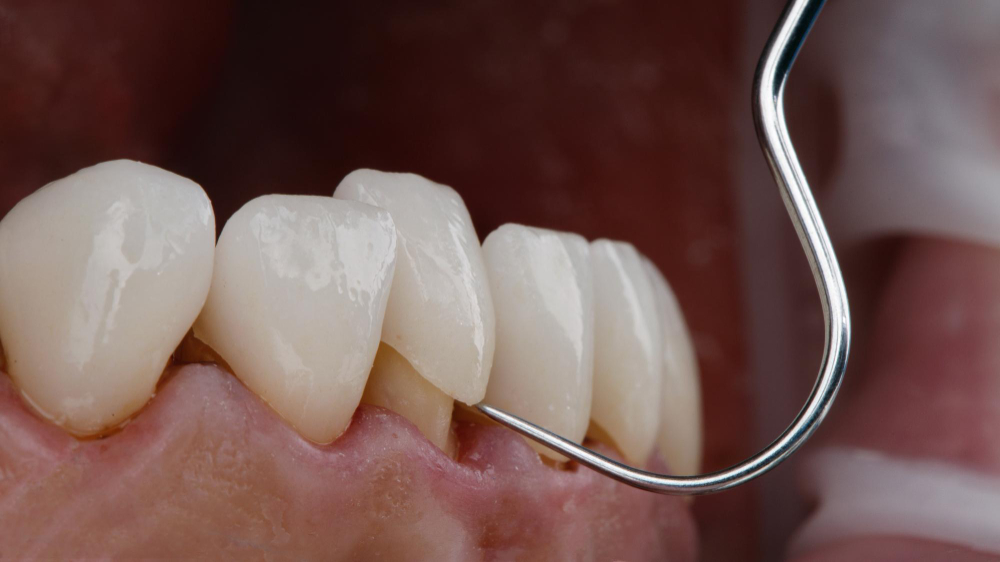
Dental veneers are thin covers placed on the front of teeth. They help improve the look of your smile. Many people choose dental veneers to fix chipped, stained, or uneven teeth. Because they look natural, veneers are popular for both cosmetic and practical reasons. According to dental experts, veneers can boost confidence and help protect teeth from further damage.
Benefits of Dental Veneers
Dental veneers offer many advantages. First, they can make teeth look whiter and straighter. Also, veneers cover stains that do not go away with whitening. In addition, they can fix small gaps or chips. Here are some key benefits of dental veneers:
For many, these benefits make dental veneers a great choice.
Step-by-Step Dental Veneer Procedure
The dental veneers procedure is simple and safe. However, it does require a few visits to your dentist. Here is what you can expect:
Because each step is important, always follow your dentist’s advice during the dental veneers procedure.
Who Can Consider Dental Veneers?
Many people wonder, “Who is a candidate for dental veneers?” Usually, veneers are best for those with healthy teeth and gums. You may consider veneers if you have:
However, not everyone is a good candidate. For example, people with severe tooth decay, gum disease, or weak enamel may not be suitable. In these cases, your dentist may suggest other treatments. Always discuss your dental history with your dentist before deciding.
Potential Risks and Considerations
While dental veneers are safe, there are some risks. For instance, the process is not reversible. Once enamel is removed, it cannot grow back. Also, veneers can chip or crack if you bite hard objects. Sometimes, teeth may become sensitive to hot or cold foods. Although rare, veneers may come loose and need repair. Therefore, it is important to weigh the pros and cons with your dentist.
Tips for Maintaining Dental Veneers
Proper care helps veneers last longer. Here are some simple tips:
With these steps, you can keep your dental veneers looking great for many years.
Prevention and Oral Health Guidance
Even with veneers, good oral health is key. For example, brush and floss daily to prevent gum disease. Also, eat a balanced diet and avoid sugary snacks. If you play sports, wear a mouthguard to protect your teeth. Most importantly, see your dentist every six months for cleanings and exams. These habits help keep both your natural teeth and veneers healthy.
Conclusion
Dental veneers can transform your smile and boost your confidence. However, they are not right for everyone. Consult at Grin Glow Dental to find out if dental veneers are right for you.