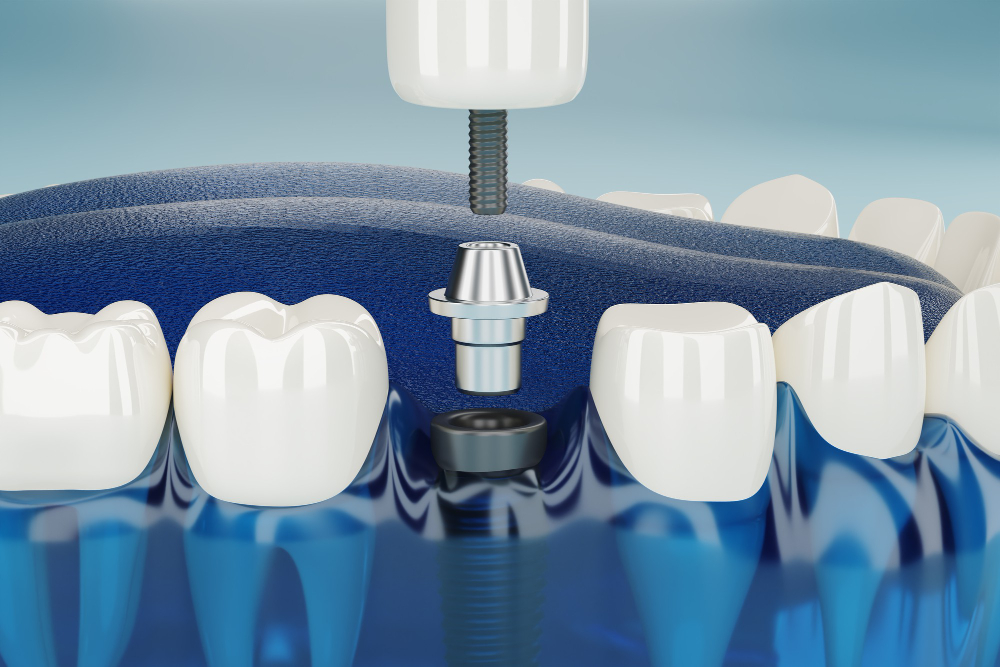
Dental implants are a popular way to replace missing teeth. They look and feel like natural teeth. Many people choose dental implants because they help restore smiles and improve chewing. In this guide, you will learn what dental implants are, who needs them, their benefits, risks, and how to care for them. If you are thinking about dental implants, this information will help you make an informed choice.
What Are Dental Implants?
Dental implants are small metal posts, usually made of titanium. Dentists place them into your jawbone where teeth are missing. Over time, the bone grows around the implant. This helps hold it firmly in place. After the implant is secure, a dentist attaches a crown, which looks like a real tooth. As a result, dental implants work like natural teeth. They help you chew, speak, and smile with confidence.
Who Needs Dental Implants?
Not everyone needs dental implants. However, they are a good option for people who:
For example, if you find dentures uncomfortable, dental implants may be a better choice. Your dentist will check your mouth and health to see if you are a good candidate.
Benefits of Dental Implants
Dental implants offer many advantages. Some of the key benefits include:
Because of these benefits, many people prefer dental implants over other options.
Risks and Considerations
Although dental implants are safe, there are some risks and things to consider. For instance, some people may experience:
However, most problems are rare and can be treated. It is important to follow your dentist’s advice and care instructions. People with certain health conditions, like uncontrolled diabetes, may have higher risks. Always discuss your health history with your dentist before starting the dental implant procedure.
The Dental Implant Procedure
The dental implant procedure has several steps. Here is what you can expect:
Each step is important for the success of your dental implant. Your dentist will guide you through the process and answer any questions.
Aftercare and Maintenance
Proper care helps your dental implants last longer. Here are some tips on how to care for dental implants:
With good care, dental implants can last many years. Your dentist will show you the best ways to keep your mouth healthy.
Frequently Asked Questions
For more details, ask your dentist about dental implants in your area.
Conclusion
Dental implants can restore your smile and improve your quality of life. However, it is important to know the benefits, risks, and care steps. Consult a qualified dentist at Grin Glow Dental to find out if dental implants are right for you.